

Salman's original name was Ruzbih, based on some accounts, as he originated from Iran, before he got enslaved and sold to a man from the Banu Qurayza tribe in Medina around the time of Prophet Muhammad's settlement in Medina.
In his youth, Salman converted from Christianity to Islam after hearing the prophecy of the emergence of the Prophet Muhammad. He made his way to Hijaz, a land west of Saudi Arabia, bordered by the Red Sea and the place where Islam emerged, but got enslaved along the way.
When Salman entered the city of Medina, he met the Prophet Muhammad, who saw the signs of Prophethood in him and confirmed his faith. The Prophet Muhammad bought him and freed him, naming him Salman, and he went on to participate in all the battles of the Muslims after the Battle of Al-Khandaq.
Salman's involvement included proposing the idea of digging a trench around Medina, which contributed significantly to the Muslims' victory. He also suggested the usage of a catapult in the Battle of Al-Taif and went on to negotiate with the Iranian forces during the Conquest of Iran.
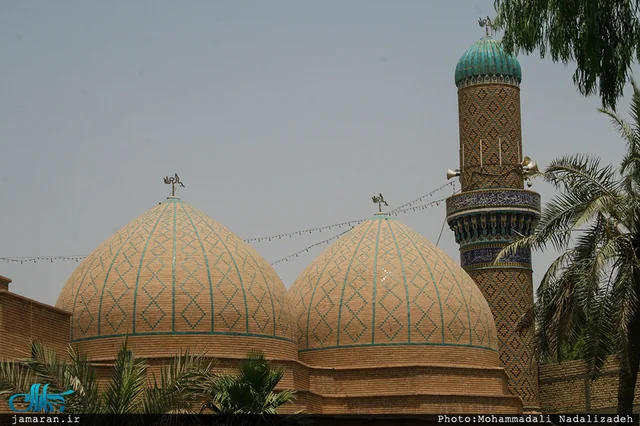
Salman's role was further recognized when Umar Al-Khattab, a prominent figure in Islamic history, appointed him as a commander in one of his armies, as he had demonstrated his reliability in leading forces in previous battles. After the conquest of the city of Al-Madain, Imam Ali himself granted permission and blessings to appoint Salman as the Governor of Al-Madain.
Salman remained the Governor of the city until his passing and was known for dedicating all the money he received from his position to charity.
He also used the money to create baskets as a means to support himself.
Salman died in the year 653, or 33 Hijri.
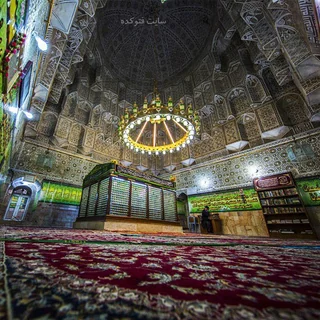
© 2024 Tuba. All rights reserved
Tuba

